
Luxury shopping is built on trust. Customers investing in premium watches, fine jewelry, designer fashion, or exclusive collectibles expect every purchase to be authentic. Yet counterfeit products continue to challenge both luxury brands and consumers, making transparency more important than ever.
This is where Blockchain in Retail is transforming the industry. By creating secure, tamper-proof records of a product's journey, blockchain technology helps brands verify authenticity, improve supply chain visibility, and build stronger customer confidence. As luxury commerce becomes increasingly digital, blockchain is emerging as a key technology for the future of retail.
What Is Blockchain in Retail?
Blockchain in Retail refers to the use of decentralized digital ledgers to securely record and verify product information throughout the supply chain.
Instead of relying on disconnected databases, blockchain stores information that cannot be easily altered. Every stage, from manufacturing and shipping to purchase and ownership, is recorded, creating a transparent history of each product.
For luxury brands, this means greater accountability and stronger protection against counterfeit goods.
Why Luxury Brands Are Adopting Blockchain
Luxury purchases often involve significant emotional and financial investment. Buyers want confidence that the product they receive is genuine.
Blockchain technology helps brands achieve this by offering:
Verified product authenticity
Transparent supply chain records
Secure ownership history
Reduced counterfeit risk
Improved customer trust
These benefits make Blockchain in Retail increasingly valuable for premium brands focused on protecting their reputation.
How Blockchain Improves Luxury Retail
Product Authentication
One of blockchain's biggest advantages is digital product verification.
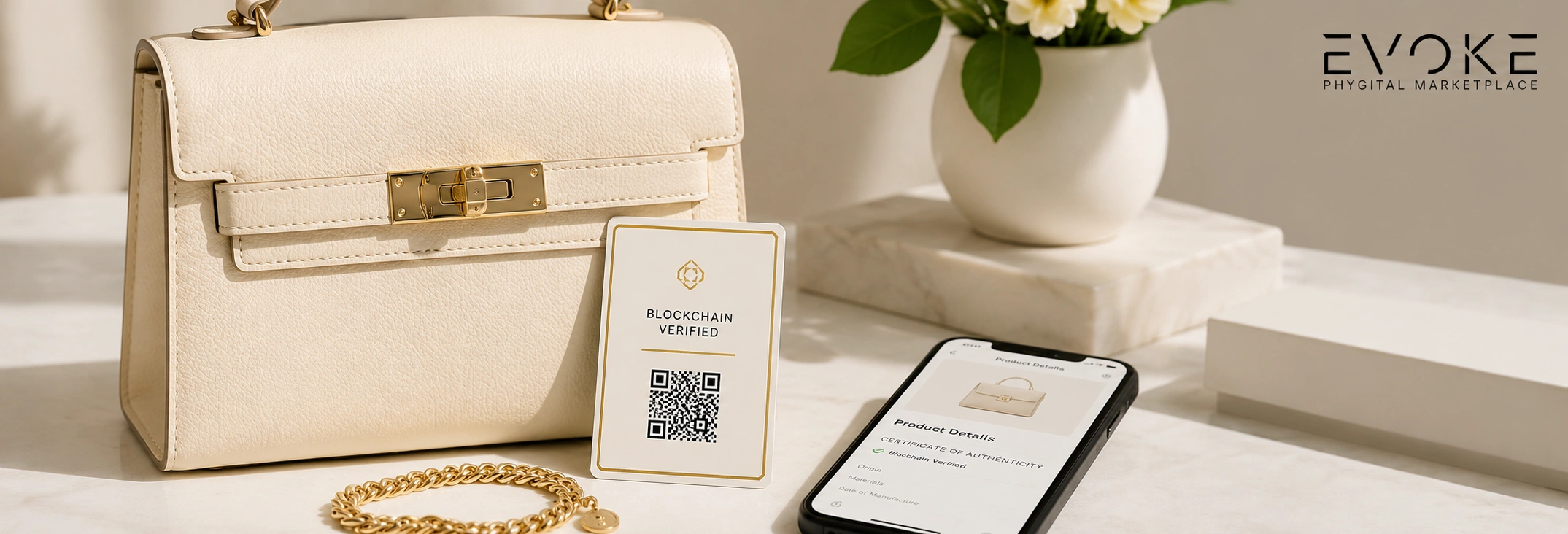
Each product receives a unique digital identity that can be verified throughout its lifecycle. Customers can confirm authenticity using blockchain records rather than relying solely on certificates or packaging.
For a deeper understanding, our guide to Blockchain Product Authentication explains how digital verification protects luxury goods from counterfeiting.
Supply Chain Transparency
Consumers today want to know where products come from.
Blockchain records every step of the manufacturing and distribution process, making it easier for brands to demonstrate responsible sourcing and production practices.
This level of transparency supports informed purchasing decisions and reinforces consumer confidence.
Counterfeit Prevention
Counterfeit luxury goods continue to affect global retail.
Because blockchain records cannot be easily modified, fake products become significantly harder to introduce into verified supply chains. This helps protect both luxury brands and their customers.
Traditional Retail vs Blockchain-Enabled Retail
Traditional Retail | Blockchain-Enabled Retail |
Limited product visibility | End-to-end traceability |
Paper certificates | Digital verification |
Higher counterfeit risk | Stronger authentication |
Separate databases | Shared secure records |
Manual verification | Instant product validation |
Blockchain Beyond Product Authentication
Blockchain is expanding far beyond verifying physical products.
Many luxury retailers are exploring blockchain-powered Customer Loyalty Programs, allowing customers to earn secure, transferable rewards while strengthening long-term engagement.
Another emerging innovation is NFT Ownership Certificates, which provide buyers with digital proof of ownership linked directly to physical luxury products. These certificates enhance authenticity, simplify resale verification, and improve ownership transparency.
Together, these technologies are helping redefine premium customer experiences.
Why Blockchain Matters to Modern Consumers
Today's luxury buyers expect more than beautiful products.
They value:
Authenticity
Transparency
Responsible sourcing
Secure ownership records
Digital convenience
These expectations are reshaping luxury commerce and encouraging brands to adopt technologies that improve trust throughout the customer journey.
Blockchain aligns closely with these evolving consumer priorities.
The Future of Blockchain in Retail
The future of Blockchain in Retail extends well beyond authentication.
Luxury brands are expected to integrate blockchain with AI, digital product passports, omnichannel commerce, and personalized shopping experiences.
Customers may soon access complete product histories, ownership records, warranty information, and service documentation through a single secure digital profile.
As these innovations mature, blockchain will become a foundational technology for trusted luxury commerce.
How Evoke Marketplace Supports Trusted Luxury Shopping
Modern luxury marketplaces play an important role in connecting shoppers with authentic premium products.
At Evoke Marketplace, the focus is on curated brands, verified products, and transparent shopping experiences. As blockchain technologies continue to evolve, they complement this commitment by strengthening authentication, improving customer confidence, and supporting a more secure luxury marketplace.
Conclusion
Blockchain in Retail is transforming how luxury brands protect authenticity, improve transparency, and build customer trust. From product authentication and supply chain visibility to digital ownership and loyalty innovation, blockchain is helping create a more secure retail ecosystem.
As luxury consumers increasingly value authenticity and transparency, brands that embrace blockchain will be better positioned to meet these expectations. By combining curated luxury products with emerging technologies, Evoke Marketplace continues to support a trusted shopping experience for today's discerning buyers.