
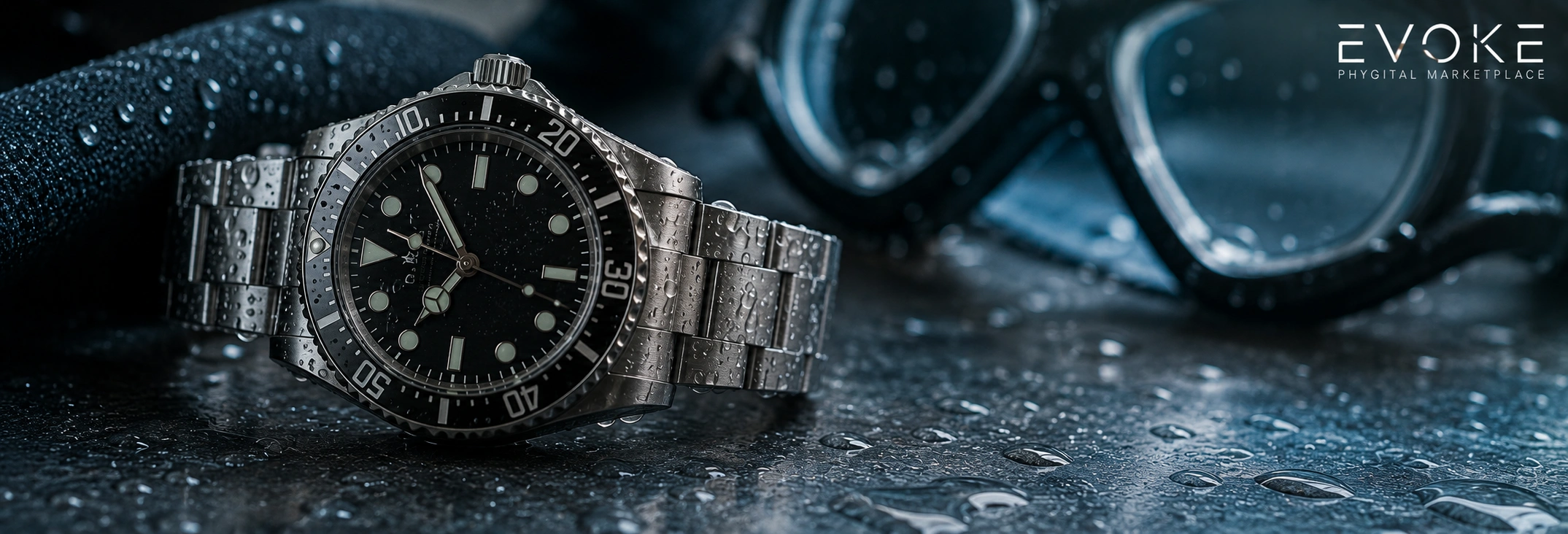
Buying a luxury watch often involves comparing movement types, materials, and design. However, one specification frequently misunderstood is the Watch Water Resistance Rating. Many people assume a watch labeled "100M" is completely waterproof or suitable for every water activity, but that's not always true.
Understanding the Watch Water Resistance Rating helps you choose a watch that matches your lifestyle while protecting your investment. Whether you're looking for an everyday timepiece, a travel companion, or a professional dive watch, knowing what these ratings actually mean can prevent costly damage and extend your watch's lifespan.
What Is a Watch Water Resistance Rating?
A Watch Water Resistance Rating indicates how much water pressure a watch can withstand under controlled laboratory testing. It does not mean the watch can safely reach the stated depth in real-world conditions.
Most luxury watches are water resistant, not waterproof. Factors such as water movement, temperature changes, aging seals, and accidental impacts can affect their performance over time.
Understanding watch water resistance ensures you use your watch within its intended limits.
Why the Watch Water Resistance Rating Matters
The Watch Water Resistance Rating is more than a technical specification; it helps buyers make informed decisions.
Benefits include:
Protects your watch from accidental water damage
Helps you choose the right watch for your lifestyle
Improves long-term durability
Reduces expensive repair costs
Provides confidence during daily wear
If you're also interested in how modern watches function beyond water resistance, our guide to Watch complications explains popular features like chronographs, GMT functions, moon phases, and perpetual calendars.
Understanding Common Water Resistance Ratings
Not every water-resistant watch is designed for swimming or diving. Here's what the most common ratings actually mean.
Rating | ATM | Suitable For | Avoid |
30M | 3 ATM | Rain, splashes, handwashing | Swimming |
50M | 5 ATM | Showering, light water exposure | Diving |
100M | 10 ATM | Swimming, snorkeling | Deep diving |
200M | 20 ATM | Recreational diving | Commercial diving |
300M+ | 30 ATM+ | Professional diving | Extreme commercial use |
30M (3 ATM)
Suitable for everyday splashes and rain but not for swimming.
50M (5 ATM)
Can handle brief water exposure and showering but isn't designed for water sports.
100M (10 ATM)
A practical choice for active lifestyles, swimming, and recreational snorkeling.
200M and Above
Designed for diving enthusiasts and frequent water activities with enhanced sealing and durability.
Water Resistant vs Waterproof
One of the biggest misconceptions is that a water-resistant watch is completely waterproof.
In reality:
"Waterproof" is no longer an accepted industry term.
Every watch has limits based on testing conditions.
Water resistance decreases as seals naturally age.
Regular maintenance helps preserve performance.
Knowing the Watch Water Resistance Rating helps prevent unnecessary damage from improper use.
How to Maintain Your Watch's Water Resistance
Even premium watches require maintenance to keep their seals effective.
Follow these watch care tips:
Service your watch according to the manufacturer's recommendations.
Replace worn gaskets when necessary.
Never operate pushers or crowns underwater.
Rinse your watch after swimming in salt water.
Have the water resistance tested after battery replacement or servicing.
Proper watch maintenance keeps your watch performing reliably for years.
Choosing the Right Watch for Your Lifestyle
Different lifestyles require different levels of water resistance.
Lifestyle | Recommended Rating |
Office & Daily Wear | 30M–50M |
Frequent Traveler | 50M–100M |
Swimming | 100M |
Snorkeling | 100M–200M |
Recreational Diving | 200M+ |
Instead of choosing the highest rating available, select one that aligns with how you'll actually use the watch.
Why Buy from a Curated Luxury Marketplace?
Luxury watches represent craftsmanship, engineering, and long-term value. Buying from a curated marketplace provides greater confidence through authenticated products, transparent specifications, and trusted sellers.
Detailed product descriptions, verified brand information, and expert guidance make it easier to compare luxury timepieces and select the right watch for your needs.
Conclusion
Understanding the Watch Water Resistance Rating helps you choose the right watch while avoiding common misconceptions about "waterproof" timepieces. Whether you're selecting a luxury dress watch or a professional dive watch, matching the rating to your lifestyle protects your investment and improves long-term reliability.
A well-informed purchase is about more than style; it's about understanding the specifications that keep your watch performing at its best.