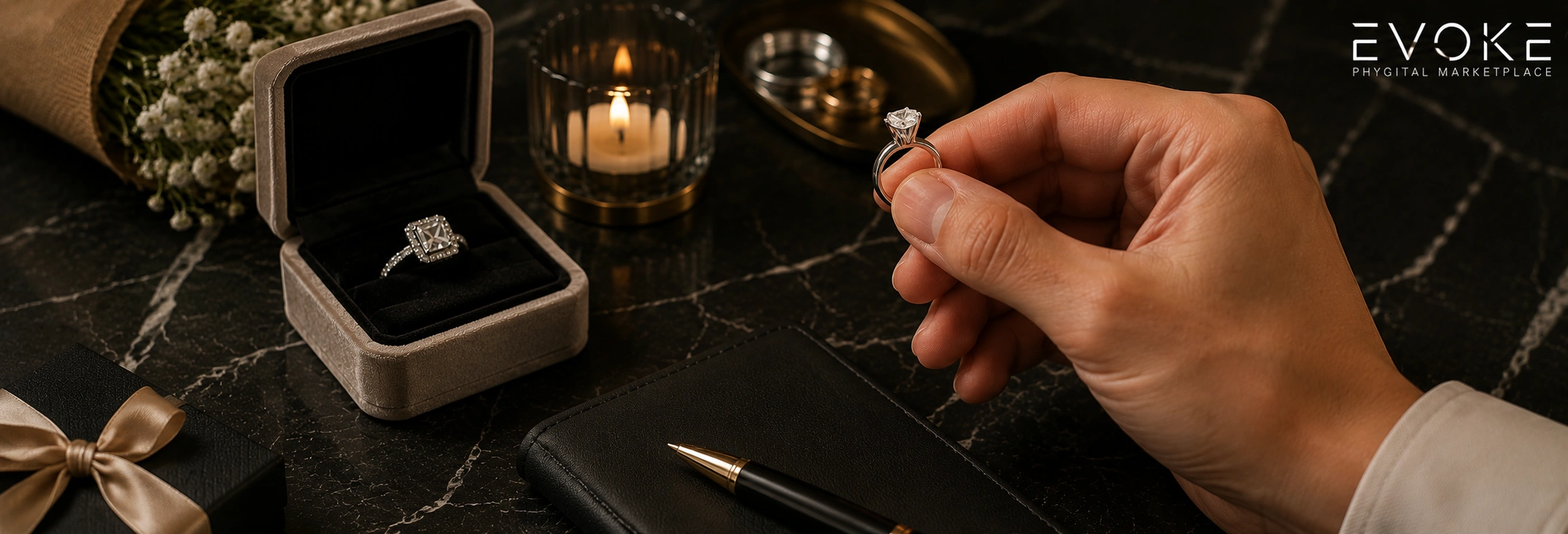

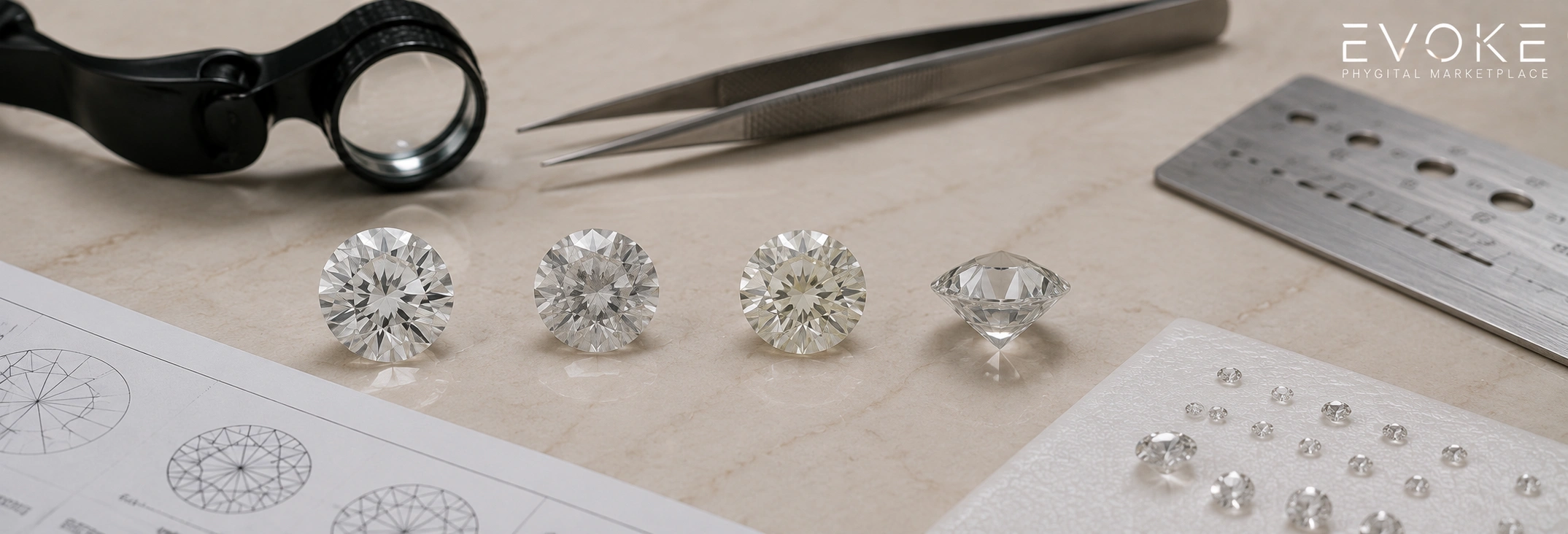
Choosing a diamond often feels overwhelming. Terms like cut, clarity, color, and carat appear on every product page, but understanding what they actually mean is the key to making a confident purchase. The 4Cs of Diamonds provide an international standard for evaluating diamond quality and pricing, helping buyers compare stones beyond appearance alone.
Whether you're buying an engagement ring, investing in fine jewelry, or selecting a meaningful gift, understanding the 4Cs of Diamonds ensures you pay for quality rather than marketing. This guide explains each factor, how it affects value, and what matters most for different budgets.
Why the 4Cs of Diamonds Matter
The 4Cs of Diamonds- Cut, Color, Clarity, and Carat- were developed by the Gemological Institute of America (GIA) and remain the global benchmark for diamond grading.
Rather than focusing on a single feature, professional grading evaluates how these four characteristics work together to determine beauty, rarity, and price.
The Four Cs at a Glance
4C | What It Measures | Biggest Impact |
Cut | Light performance and sparkle | Beauty & brilliance |
Color | Amount of color present | Appearance |
Clarity | Internal and external imperfections | Rarity |
Carat | Weight of the diamond | Size & value |
For most buyers, balancing all four factors delivers better value than maximizing only one.
Understanding Each of the 4Cs of Diamonds
1. Cut – The Most Important Quality Factor
Many buyers assume a larger diamond automatically looks better. In reality, cut has the greatest influence on brilliance.
A well-cut diamond reflects light efficiently, creating exceptional sparkle, while a poorly cut stone may appear dull regardless of size.
Excellent or Ideal cuts generally provide:
Better fire and brilliance
More visual sparkle
Greater perceived value
Improved overall appearance
If your budget is limited, prioritize cut before increasing carat weight.
2. Color – Less Color Means Greater Value
Diamond color measures how colorless a stone appears.
The grading scale ranges from D (colorless) to Z (noticeable yellow or brown tint).
For most luxury buyers:
D–F: Colorless
G–H: Near colorless
I–J: Slight warmth with excellent value
Near-colorless diamonds often look identical to higher grades once set in jewelry, making them a practical choice.
3. Clarity - Natural Characteristics Matter
Clarity evaluates tiny internal inclusions and surface blemishes formed during a diamond's natural creation.
Most imperfections cannot be seen without magnification.
Common clarity grades include:
FL - Flawless
IF - Internally Flawless
VVS - Very Very Slightly Included
VS - Very Slightly Included
SI - Slightly Included
For everyday wear, VS and SI diamonds often provide an excellent balance between beauty and price.
4. Carat - Size Isn't Everything
Carat refers to weight, not physical dimensions.
Two diamonds with identical carat weights may appear different depending on cut quality.
Larger diamonds are rarer, so prices increase exponentially rather than proportionally.
Instead of choosing the largest possible stone, many buyers select slightly lower carat weights to maximize value.
What Actually Affects Diamond Price?
While all four factors matter, they don't contribute equally.
Factor | Impact on Price | Buying Priority |
Cut | Very High | Highest |
Carat | Very High | High |
Color | Medium | Medium |
Clarity | Medium | Moderate |
The smartest purchases usually involve balanced grading rather than perfect scores across every category.
Lab-Grown vs Natural Diamonds
Today's buyers often compare mined diamonds with lab-grown alternatives before making a decision.
Our detailed comparison of Lab Grown Diamonds vs Natural Diamonds explains differences in value, sustainability, appearance, and long-term considerations.
Regardless of origin, both types are graded using the same 4Cs of Diamonds, making quality comparisons straightforward.
How Luxury Buyers Prioritize the 4Cs
Experienced jewelry buyers rarely chase the highest grades in every category.
Instead, they focus on:
Excellent cut for maximum brilliance
Near-colorless grades for value
Eye-clean clarity
Comfortable carat size within budget
Trusted certification
This balanced approach often delivers a more beautiful diamond without unnecessary cost.
Buying Tips Before Choosing a Diamond
Before purchasing fine jewelry, ask yourself:
Is the diamond certified?
Which 4C matters most for my budget?
Will the jewelry be worn daily?
Is the seller transparent about grading?
Does the brand provide authentication?
Buying from trusted luxury marketplaces that verify authenticity provides additional confidence throughout the purchasing journey.
Why Certification Matters
Even a beautiful-looking diamond should always include independent certification.
Trusted laboratories provide:
Objective grading
Authenticity verification
Transparent quality assessment
Better resale confidence
Easier comparison between diamonds
Certification protects buyers and creates long-term trust.
Our guide on IGI vs GIA Certification explains how certification impacts buying confidence and diamond quality evaluation.
Choosing the Right Diamond for Your Lifestyle
The best diamond isn't necessarily the most expensive one.
If you're purchasing:
An engagement ring: Prioritize cut and certification.
Daily jewelry: Choose durable settings with balanced clarity.
Investment pieces: Focus on premium cut, color, and documentation.
Luxury gifts: Balance appearance, quality, and long-term value.
Luxury buying is about confidence, craftsmanship, and lasting satisfaction, not simply size.
Why Shop Through a Curated Luxury Marketplace?
Luxury marketplaces simplify diamond shopping by bringing together authenticated brands, transparent product information, and carefully selected collections in one trusted destination.
Instead of comparing countless sellers, buyers can focus on certified jewelry backed by reliable product details and premium customer experiences.
Shop Certified Diamonds at Evoke Marketplace
Evoke Marketplace features only certified diamonds from vetted brands and jewellers, so every 4Cs claim is independently verified before it reaches you. The platform's educational resources are designed to help buyers apply the 4Cs confidently to any purchase, from a first engagement ring to an expanding fine jewelry collection.
Informed buying leads to better long-term satisfaction and stronger value retention, which is the foundation of every piece curated on Evoke.