
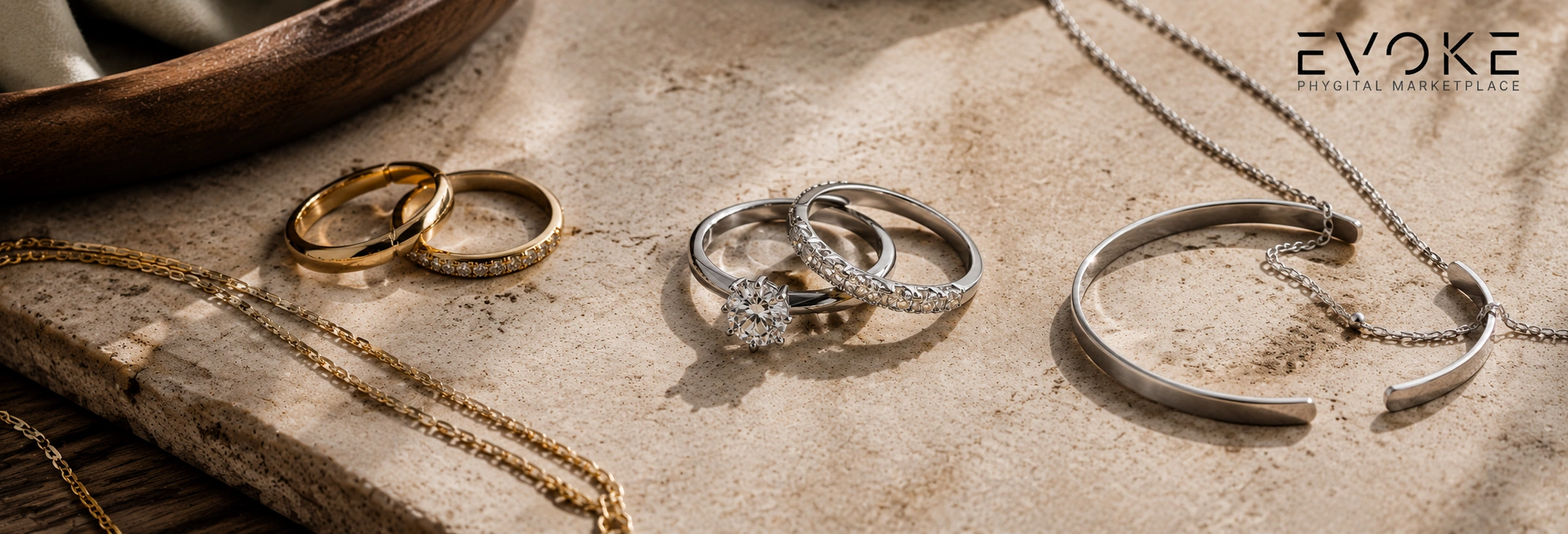
Choosing fine jewelry often starts with style, gemstones, or design. Yet one of the most important decisions happens before any of those considerations: selecting the right metal.
Gold, platinum, and silver have each earned their place in the world of luxury jewelry. However, they differ significantly in durability, appearance, maintenance, rarity, and long-term value. As consumers become more informed and intentional about their purchases, understanding these differences has become an essential part of the jewelry-buying process.
At Evoke Marketplace, we see luxury shoppers increasingly researching materials before making a purchase. Whether buying a signature piece, selecting a meaningful gift, or building a personal collection, choosing the right metal can significantly influence satisfaction and long-term wearability.
Understanding Precious Metals in Jewelry
The metal used in a jewelry piece affects far more than appearance. It influences durability, comfort, maintenance requirements, and even perceived value.
Among all precious metals jewelry, gold, platinum, and silver remain the most popular choices because they combine beauty, versatility, and lasting appeal.
While each metal offers unique benefits, the best option depends on your lifestyle, budget, and how you plan to wear the piece.
Gold Jewelry: The Timeless Luxury Standard
Gold jewelry has been associated with wealth, celebration, and craftsmanship for centuries.
Its enduring popularity comes from its ability to balance luxury, versatility, and long-term value.
Why Gold Remains a Luxury Favorite
Gold appeals to a wide range of buyers because it is:
Timeless and elegant
Available in multiple colors
Widely recognized as a luxury material
Suitable for both everyday wear and special occasions
Gold is commonly available in yellow gold, white gold, and rose gold, allowing buyers to choose a style that reflects their personal taste.
Understanding Gold Purity
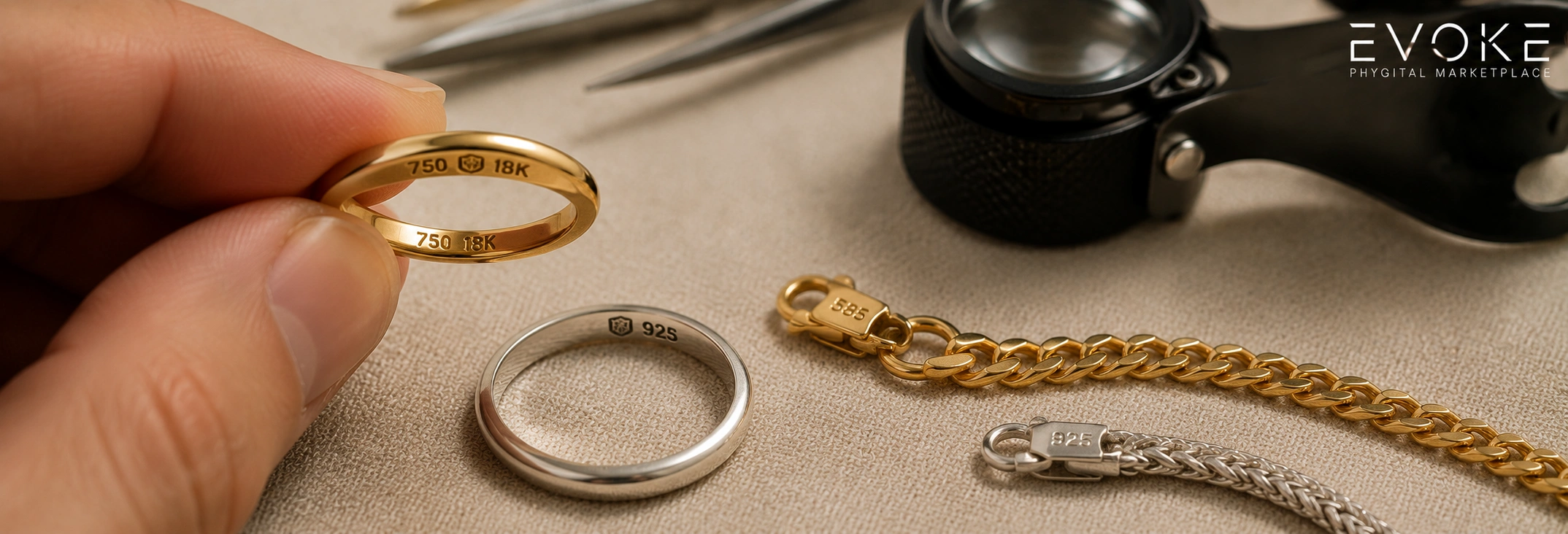
The purity of gold is measured in karats.
24K Gold: Pure gold, softer and less practical for everyday wear
22K Gold: High purity with slightly improved durability
18K Gold: Popular luxury choice balancing purity and strength
14K Gold: Durable and commonly used in fine jewelry
For many luxury buyers, 18K gold offers the ideal combination of beauty, prestige, and durability.
Platinum Jewelry: The Premium Choice
Platinum jewelry occupies a unique position in the luxury market.
Often considered more exclusive than gold, platinum is prized for its rarity, density, and exceptional durability.
What Makes Platinum Unique?
Platinum is naturally white and does not require plating to maintain its color.
Its benefits include:
Exceptional durability
High resistance to wear
Hypoallergenic properties
Secure gemstone settings
Because platinum is denser than gold, jewelry crafted from it often feels noticeably heavier and more substantial.
Who Should Choose Platinum?
Platinum is particularly popular among:
Engagement ring buyers
Long-term jewelry collectors
Consumers seeking maximum durability
Luxury shoppers who value exclusivity
For pieces intended to last generations, platinum remains one of the most respected materials in fine jewelry.
Silver Jewelry: Versatile and Contemporary
Silver jewelry continues to attract consumers who appreciate flexibility, affordability, and modern style.
Most fine silver jewelry is made from sterling silver, an alloy containing 92.5% pure silver.
Why Sterling Silver Jewelry Remains Popular
Sterling silver offers several advantages:
Accessible pricing
Contemporary styling
Excellent versatility
Easy layering with other jewelry
Silver works particularly well for trend-driven pieces and everyday accessories.
It also allows buyers to experiment with different styles without making the larger investment often associated with gold or platinum.
Gold vs Platinum vs Silver Jewelry: Key Differences
When comparing precious metals, several factors deserve attention.
Factor | Gold Jewelry | Platinum Jewelry | Silver Jewelry |
Luxury Appeal | High | Very High | Moderate |
Durability | Excellent | Exceptional | Good |
Rarity | High | Very High | Moderate |
Maintenance | Moderate | Low | Higher |
Weight | Moderate | Heavy | Lightweight |
Investment Potential | Strong | Strong | Limited |
Price Range | Premium | Highest | Most Accessible |
While no single metal is objectively better, each serves different needs and preferences.
Consumer Psychology Behind Jewelry Metal Choices
Luxury jewelry purchases are often as emotional as they are practical.
Different metals appeal to buyers for different reasons.
Why Buyers Choose Gold
Gold is often associated with:
Tradition
Status
Celebration
Long-term value
It remains one of the most popular choices for gifts, anniversaries, and milestone purchases.
Why Platinum Appeals to Luxury Consumers
Platinum attracts buyers seeking exclusivity and permanence.
Its rarity and durability create a perception of long-term significance, making it especially popular for engagement rings and heirloom-quality jewelry.
Why Silver Remains Relevant
Silver appeals to consumers who prioritize:
Self-expression
Fashion flexibility
Modern styling
Everyday wear
It remains one of the most versatile options in contemporary jewelry design.
Jewelry Trends Influencing Metal Preferences
Modern consumers are moving away from rigid jewelry rules.
One of the biggest developments is the rise of mixed-metal styling.
Many luxury shoppers now combine gold, platinum, and silver pieces within the same collection, creating a more personalized look.
Additionally, consumers are increasingly focused on building curated jewelry wardrobes rather than purchasing individual statement pieces.
For a deeper look at the styles shaping modern fine jewelry, explore our guide to Jewelry Trends 2026, which highlights the growing demand for personalization, craftsmanship, and meaningful luxury purchases.
What Metal Is Best for Different Buying Scenarios?
Choosing the right metal often depends on how the jewelry will be used.
For Everyday Wear
Platinum is often the strongest option due to its exceptional durability.
For Premium Gifting
Gold remains the most universally appreciated choice because of its timeless appeal and broad recognition.
For Long-Term Collecting
Gold and platinum typically offer the strongest long-term value and heirloom potential.
For Fashion-Driven Purchases
Sterling silver provides flexibility and affordability while supporting changing style preferences.
What These Choices Mean for Luxury Commerce
Today's luxury buyers are more informed than ever.
Rather than making decisions based solely on appearance, consumers are researching materials, craftsmanship, authenticity, and long-term value.
This shift reflects a broader trend toward thoughtful luxury consumption.
At Evoke Marketplace, we see increasing demand for products that combine exceptional design with transparency and quality. Buyers want confidence that their jewelry purchases align with both their style preferences and long-term expectations.
As luxury commerce continues to evolve, material knowledge is becoming an important part of the customer journey.
Final Thoughts
The debate between gold vs platinum vs silver jewelry ultimately comes down to personal priorities.
Gold offers timeless luxury and versatility. Platinum delivers exceptional durability and exclusivity. Silver provides contemporary style and accessibility.
The best choice is the one that aligns with your lifestyle, budget, and long-term goals.
At Evoke Marketplace, we believe confident luxury purchases begin with informed decisions. Understanding the strengths of different jewelry metals helps buyers discover pieces that deliver lasting beauty, personal meaning, and enduring value.