
Luxury jewelry has always been associated with rarity, craftsmanship, and lasting value. Today, however, a growing number of consumers are adding another consideration to their purchasing decisions: responsibility.
Whether shopping for an engagement ring, an investment piece, or a meaningful gift, buyers increasingly want to understand where gemstones come from and how they are sourced. This shift has fueled interest in ethical gemstones, lab-grown diamonds, conflict-free gemstones, and transparent jewelry supply chains.
At Evoke Marketplace, we have seen conscious luxury become an important part of the modern shopping journey. Consumers are no longer focused solely on aesthetics. They want confidence that the products they choose align with their values while maintaining the quality and exclusivity expected from luxury goods.
But what do terms such as "ethical," "conflict-free," and "lab-grown" actually mean? More importantly, how can buyers navigate these claims with confidence?
What Are Ethical Gemstones?
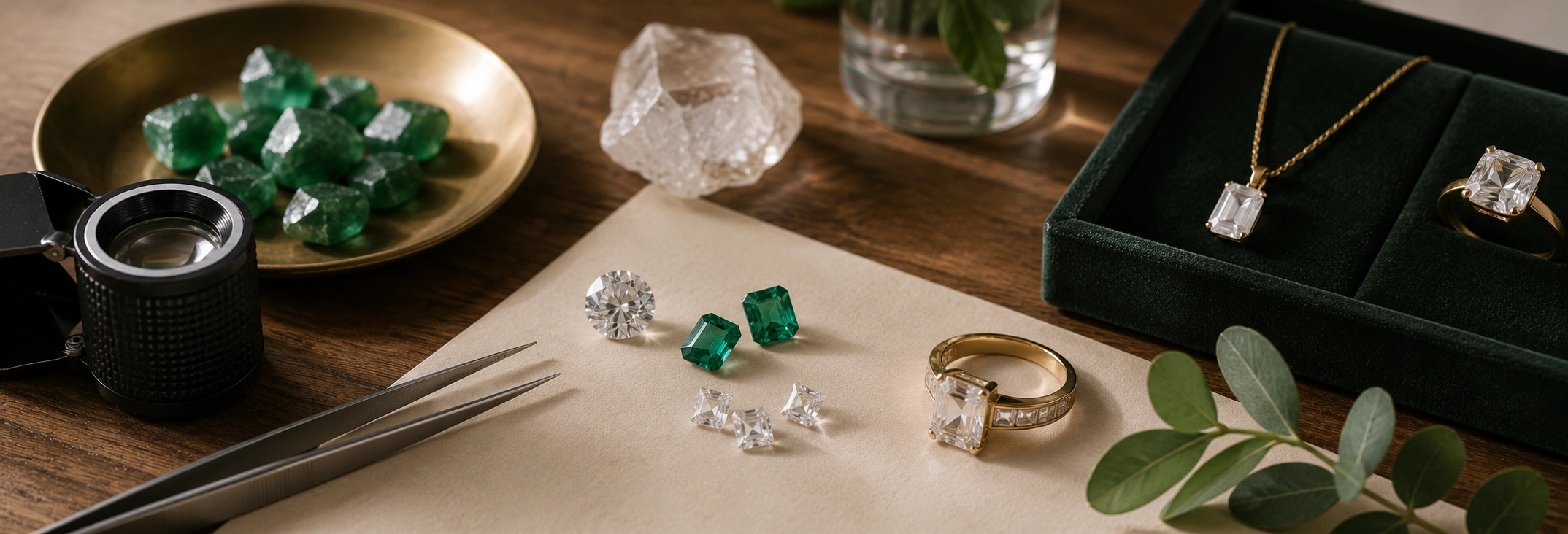
Ethical gemstones are gemstones sourced and produced with consideration for environmental responsibility, fair labor practices, and transparency throughout the supply chain.
While the term sounds straightforward, ethical sourcing involves multiple factors. A gemstone may be considered ethical when brands make deliberate efforts to ensure responsible extraction, fair treatment of workers, and greater visibility into the journey from source to consumer.
Importantly, ethical gemstones are not defined by appearance. Two stones may look identical, yet their sourcing stories can be entirely different.
This growing focus on origin reflects a broader transformation within luxury commerce. Consumers increasingly view transparency as part of a product's value, not simply an additional benefit.
Understanding Conflict-Free Gemstones
One of the most widely used terms in jewelry is "conflict-free."
Conflict-free gemstones are sourced in a way that avoids financing armed conflict or violence. The term emerged as consumers and industry organizations sought to address concerns surrounding the gemstone trade in certain regions.
While conflict-free sourcing is an important step, it is not the complete picture.
A gemstone can be conflict-free while still raising questions about:
Environmental impact
Working conditions
Community welfare
Supply chain transparency
This distinction is becoming increasingly important for luxury consumers. Modern buyers are asking more sophisticated questions and looking beyond labels to understand the full story behind a product.
As a result, responsible jewelry brands are providing more detailed information about sourcing practices and production standards than ever before.
Lab-Grown Diamonds vs Natural Diamonds
Few topics generate as much discussion in the jewelry industry as lab-grown diamonds versus natural diamonds.
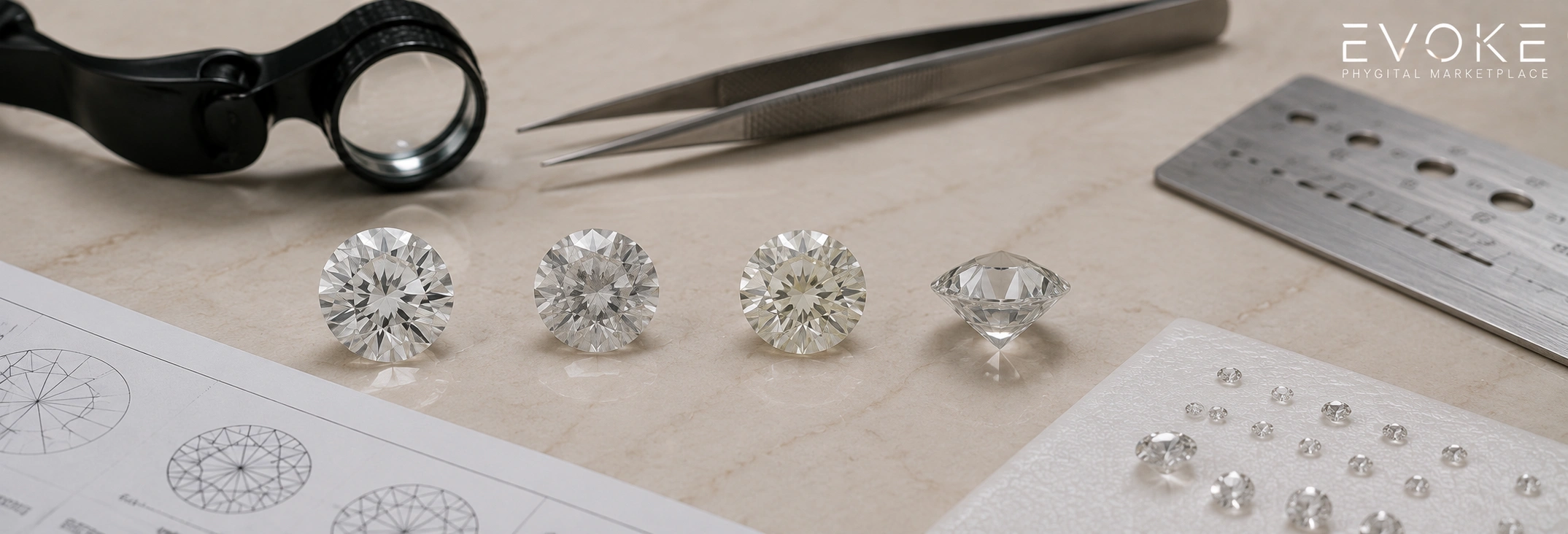
Lab-grown diamonds are created using advanced technology that replicates the conditions under which natural diamonds form. The result is a real diamond with the same physical and chemical properties as its natural counterpart.
The difference lies primarily in origin.
Natural diamonds are formed over billions of years beneath the Earth's surface. Lab-grown diamonds are created in controlled environments using modern manufacturing processes.
For luxury buyers, the choice often comes down to personal priorities.
Some consumers appreciate the geological rarity and heritage associated with natural diamonds. Others are drawn to the traceability and technological innovation associated with lab-grown alternatives.
Increasingly, the conversation is moving away from which option is "better" and toward which option best aligns with an individual's values, budget, and long-term goals.
Why Ethical Jewelry Matters More Than Ever
The rise of ethical jewelry is closely connected to the growth of conscious luxury.
Across luxury categories, consumers are becoming more intentional about what they buy and who they buy from. They want products that combine exceptional craftsmanship with responsible business practices.
This is particularly evident among younger affluent consumers, gift buyers, and luxury lifestyle enthusiasts who view purchases as reflections of personal values.
Several factors are driving this shift:
Increased access to information
Greater awareness of sourcing practices
Desire for meaningful ownership
Demand for authenticity
Preference for transparent brands
In many cases, understanding a gemstone's story enhances its emotional value and creates a stronger connection between the buyer and the product.
Industry Trends Shaping Ethical Luxury Jewelry
Ethical sourcing is no longer a niche topic discussed only among sustainability advocates. It is becoming a mainstream expectation within luxury jewelry.
Brands are responding by investing in greater transparency and traceability. Consumers now expect detailed information about gemstone origins, production methods, and sourcing standards.
At the same time, emerging luxury brands are helping reshape the industry. Many newer jewelry companies have built their businesses around responsible sourcing from the outset, making transparency a core part of their identity.
This shift aligns closely with broader luxury commerce trends, where authenticity and trust increasingly influence purchasing decisions.
For marketplaces such as Evoke Marketplace, this evolution highlights the growing importance of connecting consumers with brands that demonstrate both quality and accountability.
The Psychology Behind Ethical Gemstone Purchases
Luxury purchases have always carried emotional significance.
Today, ethical gemstones add another layer to that experience by allowing consumers to feel confident not only in what they are buying but also in how it was produced.
Many shoppers view responsible jewelry as an extension of their lifestyle and values. The purchase becomes more than a transaction—it becomes a statement about what matters to them.
This is especially relevant in premium gifting.
A responsibly sourced gemstone can carry additional meaning because it reflects thoughtful consideration of both the recipient and the broader impact of the purchase.
As luxury buying becomes increasingly personal, transparency and trust are becoming powerful drivers of consumer loyalty.
What Ethical Gemstones Mean for Luxury Commerce
The growing demand for ethical gemstones is changing how jewelry is marketed, sold, and discovered.
Consumers are conducting more research before making purchases. They are comparing sourcing practices, reading brand stories, and evaluating transparency alongside traditional factors such as design and craftsmanship.
This trend is accelerating the value of curated luxury marketplaces.
Rather than navigating countless options, consumers increasingly prefer trusted platforms that help them discover premium brands, artisan creators, and responsibly sourced products.
At Evoke Marketplace, this approach supports a more informed shopping experience by helping buyers connect with products that align with both their aesthetic preferences and personal values.
How to Evaluate Ethical Gemstones Before Buying
For consumers interested in responsible jewelry, asking the right questions is essential.
Before purchasing, consider:
Where was the gemstone sourced?
Does the brand disclose origin information?
Are certifications or supporting documents available?
What sustainability commitments does the company share publicly?
How transparent is the supply chain?
Transparency is often the strongest indicator of trustworthiness.
Brands that openly discuss sourcing and production practices typically provide consumers with greater confidence than those relying on broad marketing claims.
For shoppers exploring premium brands and curated luxury experiences, our guide to Best Fashion and Lifestyle Vendors offers additional insight into discovering trusted creators and distinctive products.
The Future of Ethical Gemstones
The future of luxury jewelry is likely to be defined by greater transparency, stronger accountability, and more informed consumers.
Advancements in traceability technology are making it easier for brands to provide sourcing information. At the same time, shoppers are becoming increasingly comfortable asking questions about origins, materials, and production standards.
As these expectations continue to evolve, ethical sourcing will move from being a competitive advantage to becoming a baseline requirement.
The luxury brands that thrive in the years ahead will be those capable of combining exceptional design and craftsmanship with the transparency modern consumers expect.
Final Thoughts
Ethical gemstones represent one of the most significant shifts currently shaping the jewelry industry. From lab-grown diamonds and conflict-free gemstones to broader conversations around responsible sourcing, consumers are redefining what luxury means in the modern era.
Today's buyers are seeking more than beauty alone. They want authenticity, transparency, and confidence in the products they choose.
As conscious luxury continues to influence purchasing behavior, trusted destinations such as Evoke Marketplace play an increasingly important role in helping consumers discover premium brands, exceptional craftsmanship, and thoughtfully sourced products that reflect both personal style and personal values.