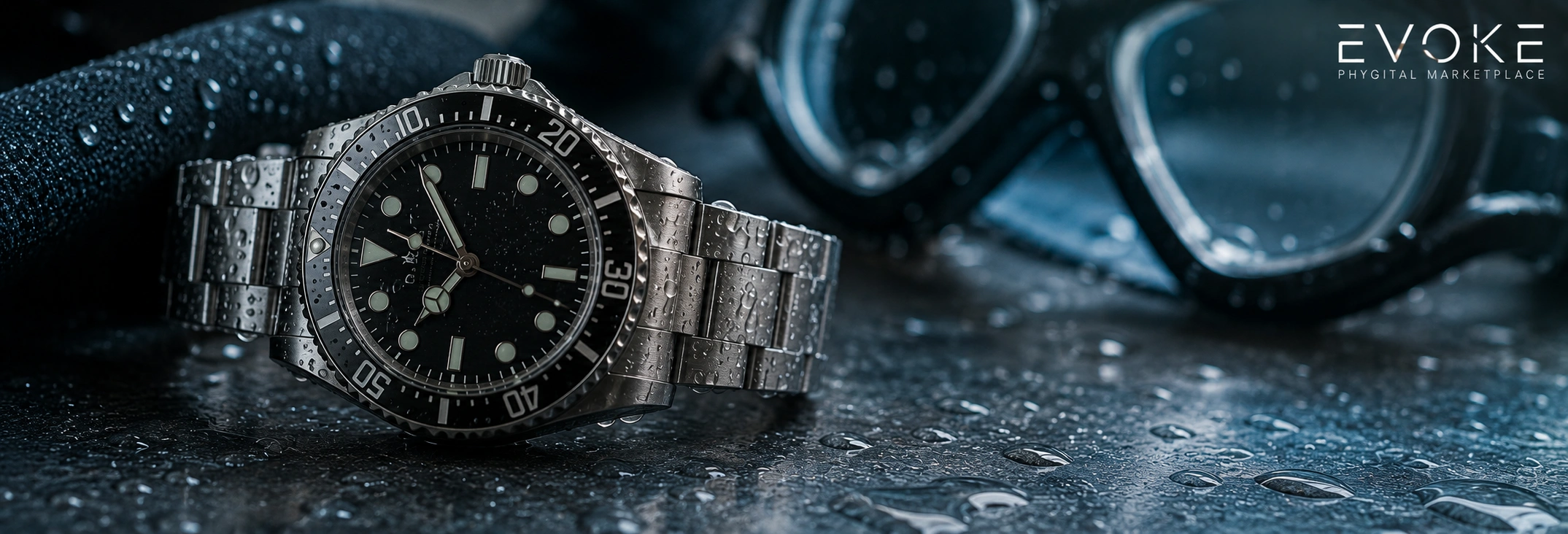

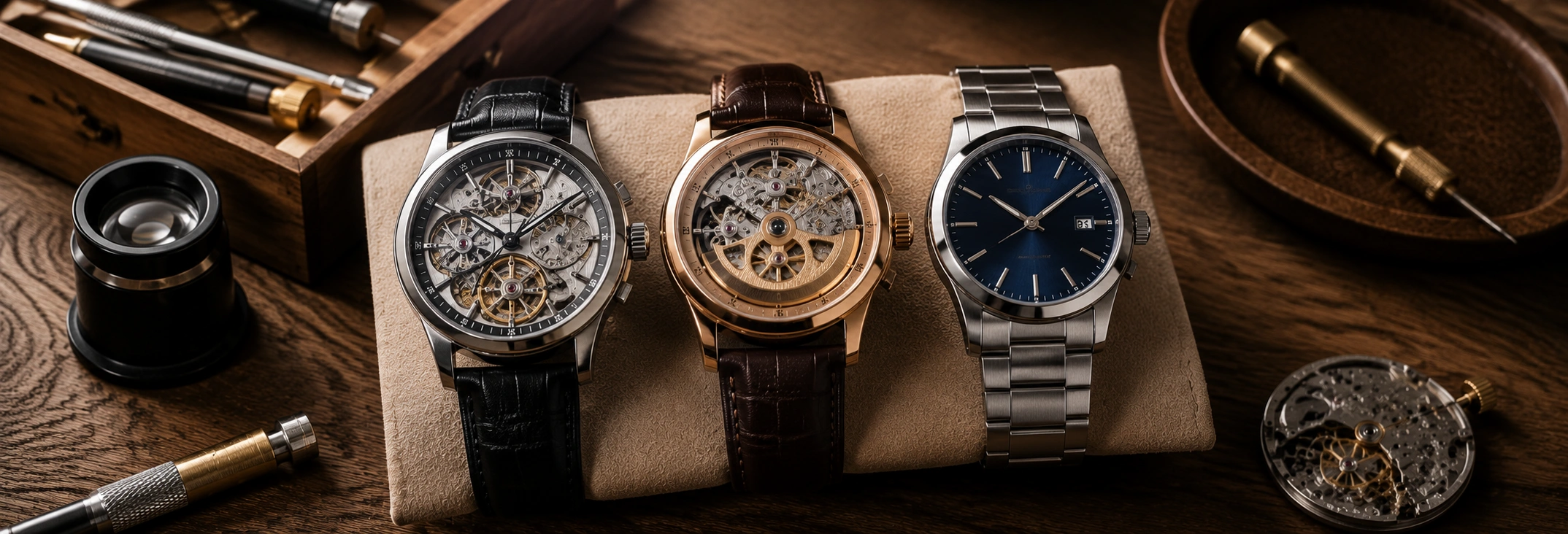
A luxury watch is more than a way to tell time. It is a reflection of personal style, craftsmanship, and often a long-term investment. Yet many buyers spend hours comparing brands, dial designs, and materials while overlooking one of the most important factors: the watch movement.
The movement is the engine that powers a watch. It determines how the watch keeps time, how much maintenance it requires, and how it feels to own and wear. Whether you're purchasing your first luxury watch, adding to a collection, or searching for a premium gift, understanding the differences between a mechanical vs automatic vs quartz watch can help you make a more informed decision.
At Evoke Marketplace, we see luxury consumers becoming increasingly knowledgeable about watchmaking. Buyers are asking deeper questions about craftsmanship, heritage, and long-term value. As a result, watch movements have become an important part of the purchasing journey.
Understanding Watch Movements
A watch movement refers to the mechanism responsible for powering the hands and functions of a timepiece. Often called the "heart" of a watch, the movement determines how energy is generated, stored, and used to keep accurate time.
Today, most watches fall into one of three primary categories:
Mechanical watches
Automatic watches
Quartz watches
Each movement type offers a distinct ownership experience, making the right choice highly dependent on lifestyle, preferences, and expectations.
Mechanical Watches Explained: How Mechanical Watches Work
A mechanical watch operates entirely through a system of springs, gears, and intricate components.
Unlike battery-powered watches, mechanical movements require manual winding. Turning the crown tightens the mainspring, which gradually releases energy to power the watch.
This traditional engineering approach has been at the center of watchmaking for centuries and remains highly respected among enthusiasts.
Why Collectors Love Mechanical Watches
For many collectors, a mechanical watch represents the purest form of horology.
The appeal goes beyond functionality. Owners appreciate the craftsmanship, precision engineering, and human artistry involved in creating a movement composed of hundreds of tiny components working together.
Many luxury watch enthusiasts enjoy the ritual of winding their watch daily. It creates a sense of connection between the wearer and the timepiece that modern technology often lacks.
Swiss-made watches from renowned manufacturers frequently use mechanical movements to showcase traditional craftsmanship and technical expertise.
Potential Considerations
Mechanical watches require regular winding and periodic servicing to maintain optimal performance.
While they may not offer the same level of accuracy as quartz watches, buyers often view their imperfections as part of their charm and character.
Automatic Watches Explained: How Automatic Watches Work
An automatic watch is a type of mechanical watch that winds itself through the movement of the wearer's wrist.
Inside the watch, a rotor rotates as the wearer moves, generating energy that keeps the mainspring wound.
As long as the watch is worn regularly, it can continue running without manual winding.
Why Automatic Watches Dominate Luxury Watch Sales
Automatic watches offer a balance between traditional craftsmanship and everyday convenience.
Luxury buyers often appreciate that they can enjoy the beauty of a mechanical movement without the need to wind the watch daily.
This combination has helped automatic watches become one of the most popular categories in luxury watchmaking.
Many premium timepieces from established Swiss brands rely on automatic movements because they appeal to both experienced collectors and first-time luxury watch buyers.
Potential Considerations
Although automatic watches require less interaction than manually wound mechanical watches, they still need servicing over time.
If left unworn for extended periods, they may stop running and require resetting before use.
For many luxury consumers, however, these minor inconveniences are outweighed by the craftsmanship and ownership experience they provide.
Quartz Watches Explained: How Quartz Watches Work
Quartz watches use a battery-powered electronic movement.
A small quartz crystal vibrates at a highly consistent frequency when electricity passes through it. These vibrations regulate the watch's timekeeping with remarkable precision.
This technology revolutionized the watch industry by making accurate timekeeping more affordable and accessible.
Why Quartz Watches Remain Popular
Quartz watches continue to be an excellent option for consumers who prioritize convenience and accuracy.
Their advantages include:
Exceptional accuracy
Minimal maintenance
Easy ownership
Reliable everyday performance
Lower servicing requirements
For busy professionals, frequent travelers, and first-time watch buyers, quartz watches often provide a practical solution.
Common Misconceptions About Quartz Watches
Some consumers mistakenly assume quartz watches cannot be luxury products.
In reality, several prestigious brands produce premium quartz watches that combine high-end materials, refined design, and exceptional craftsmanship.
While collectors often gravitate toward mechanical engineering, quartz technology remains an important part of the luxury watch market.
Mechanical Vs Automatic Vs Quartz Watch: What Really Matters?
When comparing watch movement types, the best choice depends less on technical superiority and more on personal priorities.
Accuracy
Quartz watches generally offer the highest level of accuracy. They can maintain precise time with very little deviation.
Mechanical and automatic watches are less precise but remain accurate enough for daily use.
Maintenance
Quartz watches typically require the least maintenance, with battery replacements being the primary consideration.
Mechanical and automatic movements require periodic servicing to ensure long-term reliability.
Ownership Experience
This is where preferences become highly personal.
Mechanical watches offer a traditional, hands-on experience.
Automatic watches provide a balance between craftsmanship and convenience.
Quartz watches focus on practicality and ease of use.
Collectibility
Collectors often favor mechanical and automatic watches because of their engineering complexity and historical significance.
However, collectibility ultimately depends on factors such as brand heritage, rarity, craftsmanship, and market demand.
Which Watch Movement Fits Your Lifestyle?
For Collectors and Watch Enthusiasts
A mechanical watch may be the most rewarding option.
Collectors often appreciate the artistry, tradition, and emotional connection associated with manually powered movements.
For Everyday Luxury Wear
Automatic watches are often the ideal middle ground.
They provide the prestige of mechanical watchmaking while offering greater convenience for daily wear.
For Busy Professionals
Quartz watches are often the most practical choice.
Their reliability, precision, and low-maintenance nature make them well-suited for demanding schedules.
For Premium Gift Buyers
The best choice depends on the recipient.
A watch enthusiast may value a mechanical or automatic movement, while someone focused on convenience may appreciate a high-quality quartz watch.
Understanding the recipient's lifestyle can make a luxury watch gift significantly more meaningful.
Why Watch Movements Matter in Luxury Commerce
Luxury consumers are becoming increasingly informed before making purchasing decisions.
Rather than focusing solely on aesthetics, buyers are evaluating craftsmanship, engineering, heritage, and long-term value.
This trend is influencing how watches are marketed and sold.
At Evoke Marketplace, we see growing interest in premium timepieces that combine exceptional design with authentic craftsmanship. Buyers want transparency about movement types, materials, and manufacturing standards before investing.
The popularity of Swiss-made watches further reflects this shift. Consumers continue to associate Swiss watchmaking with quality, precision, and trust, factors that remain highly influential in luxury commerce.
Beyond Movements: Other Factors Worth Considering
While movement type is important, it should not be the only consideration when purchasing a watch.
Buyers should also evaluate:
Case materials
Water resistance
Brand heritage
Build quality
Long-term servicing support
Design versatility
Many luxury watches also include advanced features that extend beyond basic timekeeping.
For buyers looking to deepen their understanding of luxury watchmaking, our guide to Watch complications explores functions such as chronographs, moonphase displays, annual calendars, and other sophisticated features that can influence both functionality and collectibility.
The Future of Watch Movements
Despite rapid technological advancement, interest in traditional watchmaking continues to grow.
Collectors remain fascinated by mechanical craftsmanship, while automatic watches continue to dominate the luxury market due to their balance of heritage and practicality.
At the same time, quartz innovation continues to evolve, offering enhanced performance and reliability.
The future of premium timepieces will likely be defined by consumer choice rather than a single dominant technology. Buyers increasingly value authenticity, craftsmanship, and personal relevance over trends alone.
Final Thoughts
Choosing between a mechanical vs automatic vs quartz watch ultimately comes down to your lifestyle, preferences, and expectations as a watch owner. While mechanical watches appeal to collectors who value craftsmanship and heritage, automatic watches offer a balance of tradition and convenience. Quartz watches remain a practical choice for those prioritizing accuracy and low maintenance.
As luxury consumers become more informed, understanding watch movements is an essential part of making a confident purchase. Beyond aesthetics, the movement influences how a watch performs, feels, and retains value over time.
At Evoke Marketplace, we believe luxury shopping should be guided by knowledge, authenticity, and thoughtful discovery. By understanding the differences between watch movement types, buyers can confidently explore premium timepieces that align with their personal style, collecting goals, and everyday lifestyle.