
A luxury watch is more than a way to tell time, it's a precision instrument, a personal statement, and often a long-term investment. Yet many owners delay servicing until something goes wrong. By then, a simple maintenance appointment can turn into an expensive repair.
This Watch Servicing Guide explains how often different watches should be serviced, the warning signs to look for, and the best maintenance practices to protect your timepiece. With more collectors investing in premium watches, routine servicing has become just as important as choosing the right watch in the first place.
Why Regular Watch Servicing Matters
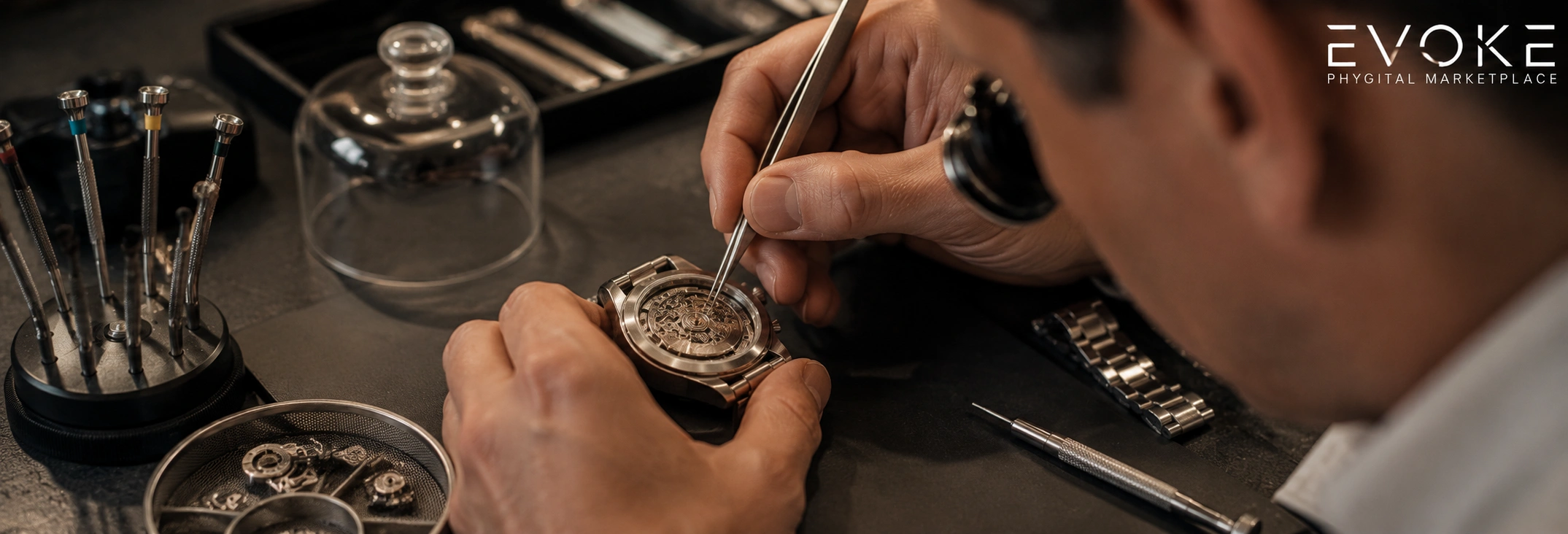
Every watch contains moving parts that experience gradual wear over time. Lubricants dry out, seals weaken, and tiny components collect dust. Regular servicing keeps your watch accurate, water-resistant, and reliable while preventing unnecessary damage.
Professional servicing typically includes:
Complete movement inspection
Cleaning and fresh lubrication
Accuracy testing and regulation
Replacement of worn seals
Water-resistance testing
Case and bracelet cleaning
Following a proper Watch Servicing Guide helps maintain both performance and resale value.
How Often Should Different Watches Be Serviced?
Not every watch follows the same maintenance schedule. The movement inside determines how frequently it needs professional attention.
Mechanical Watch Servicing
Mechanical watches contain hundreds of precision components working together without a battery. Most manufacturers recommend servicing every 3–5 years.
If you own a handcrafted luxury mechanical watch, regular maintenance prevents internal wear and preserves accuracy.
Automatic Watch Maintenance
Automatic watches are powered by wrist movement but still require servicing. Experts generally recommend a complete service every 4–6 years, depending on wear and environmental conditions.
If you're interested in understanding different movements, our guide on Watch complications explained offers additional insight into how advanced watch mechanisms function.
Quartz Watch Servicing
Quartz watches require less maintenance but still benefit from professional inspection. Replace the battery every 2–3 years and schedule a complete service every 5–7 years to check seals, movement, and water resistance.
Keeping up with a consistent watch maintenance schedule reduces unexpected repair costs.
After understanding maintenance intervals, it's also worth following the Latest Watch Trends to see how collectors balance timeless craftsmanship with modern innovation when choosing luxury timepieces.
Signs Your Watch Needs Servicing
Even if your watch hasn't reached its recommended service interval, these signs indicate it should be inspected.
Losing or gaining significant time
Moisture or fog inside the crystal
Reduced power reserve
Crown becomes difficult to wind or adjust
Unusual ticking or grinding sounds
Water resistance no longer performs as expected
Ignoring these issues can lead to more expensive repairs later.
Quick Watch Servicing Schedule
Watch Type | Recommended Service | Regular Maintenance |
Mechanical | Every 3–5 years | Full movement overhaul |
Automatic | Every 4–6 years | Cleaning, lubrication & regulation |
Quartz | Battery every 2–3 years; full service every 5–7 years | Battery, seals & movement inspection |
This simple Watch Servicing Guide can help owners plan maintenance before problems develop.
Daily Watch Care Tips
Professional servicing is only part of protecting your investment. Good habits between services make a noticeable difference.
Store watches in a dry, dust-free environment.
Avoid magnets and strong impacts.
Rinse water-resistant watches after exposure to saltwater.
Clean the case and bracelet with a soft microfiber cloth.
Never open the case yourself.
Have water resistance checked regularly if you swim or dive.
These watch care tips help reduce wear and extend service intervals.
Why Servicing Protects Your Investment
Luxury watches often appreciate in sentimental and financial value. Buyers and collectors prefer watches with documented maintenance history because they demonstrate responsible ownership.
Routine mechanical watch servicing, automatic watch maintenance, and quartz watch servicing also:
Improve long-term accuracy
Extend movement lifespan
Reduce costly repairs
Preserve manufacturer specifications
Maintain resale value
A reliable Watch Servicing Guide focuses on prevention rather than repair.
What Watch Servicing Typically Costs
Watch servicing cost varies significantly by tier:
Quartz battery replacement: $10–$50
Quartz full service: $75–$200
Mechanical/automatic service: $150–$600
Luxury or complicated movements: $400–$1,500+
Viewed against the cost of ignoring maintenance, a stopped movement, corroded parts, or a diminished resale value, routine servicing is typically the cheaper long-term decision.
Choosing Trusted Luxury Watches
Proper servicing begins with buying an authentic timepiece. Purchasing from a trusted luxury marketplace helps ensure genuine products backed by reputable brands.
Evoke Marketplace connects collectors and luxury shoppers with curated premium watches from trusted sellers. Combined with regular servicing and proper maintenance, buying authentic watches provides greater long-term confidence and ownership value.
Conclusion
Servicing is one of the smartest investments you can make after purchasing a luxury watch. Following a structured Watch Servicing Guide helps preserve accuracy, protect delicate movements, and maintain long-term value.
Whether you own a mechanical, automatic, or quartz watch, regular maintenance ensures dependable performance for years to come. At Evoke Marketplace, authentic luxury timepieces deserve the same level of expert care that goes into creating them, helping collectors enjoy their investments with confidence.