Choosing the best ecommerce platform is one of the first real business decisions a creator makes, and one of the easiest to get wrong. Most creators start with a familiar name, a template, and a payment button, only to discover months later that traffic isn't the problem. Trust is.
Buyers today don't just want a product page. They want context: who made this, why it's worth buying, and whether the seller is credible. That shift in behavior has quietly changed what a creator ecommerce platform actually needs to do. It's no longer just a checkout tool; it's a discovery engine, a trust signal, and a brand environment all at once.
This is why the conversation around ecommerce for creators has moved past "which builder has the nicest templates" and toward a more strategic question: does this platform bring buyers to you, or leave you to find them entirely on your own? For a deeper look at how this shift is playing out, we've covered it in Future of Creator Commerce.
What Is a Creator Ecommerce Platform, and How Is It Different From a Basic Online Store?
A standalone online store gives a creator a website, a product catalog, and a checkout flow, full control, but zero built-in audience. A creator marketplace, by contrast, places that same product inside an environment buyers already trust and browse regularly.
There are generally three models creators choose between:
Store builders have full control, but you supply 100% of the traffic
Open marketplaces, built-in traffic, but often low curation and price-driven competition
Curated creator marketplaces, built-in trust and discovery, positioned around quality over volume
Understanding this distinction is the first step toward identifying the best ecommerce platform for your specific stage of growth; a brand-new creator and an established one usually look for very different things.
Why the Right Platform Choice Matters More Than Ever
Buyer psychology has shifted. People are more skeptical of unfamiliar checkout pages than they were five years ago, and more comfortable buying from a platform that's already vetted the seller for them.
Before purchasing from a creator brand, today's buyers typically expect:
Clear evidence that the seller is legitimate, not just aesthetically convincing
Product context, materials, sourcing, story, not just a photo and a price
A checkout experience that feels secure and familiar
Some signal that other buyers have trusted this seller before
This is exactly why finding the best ecommerce platform matters as much as the product itself. A great product on the wrong platform still struggles to convert.
How Evoke Marketplace Supports Creator Trust
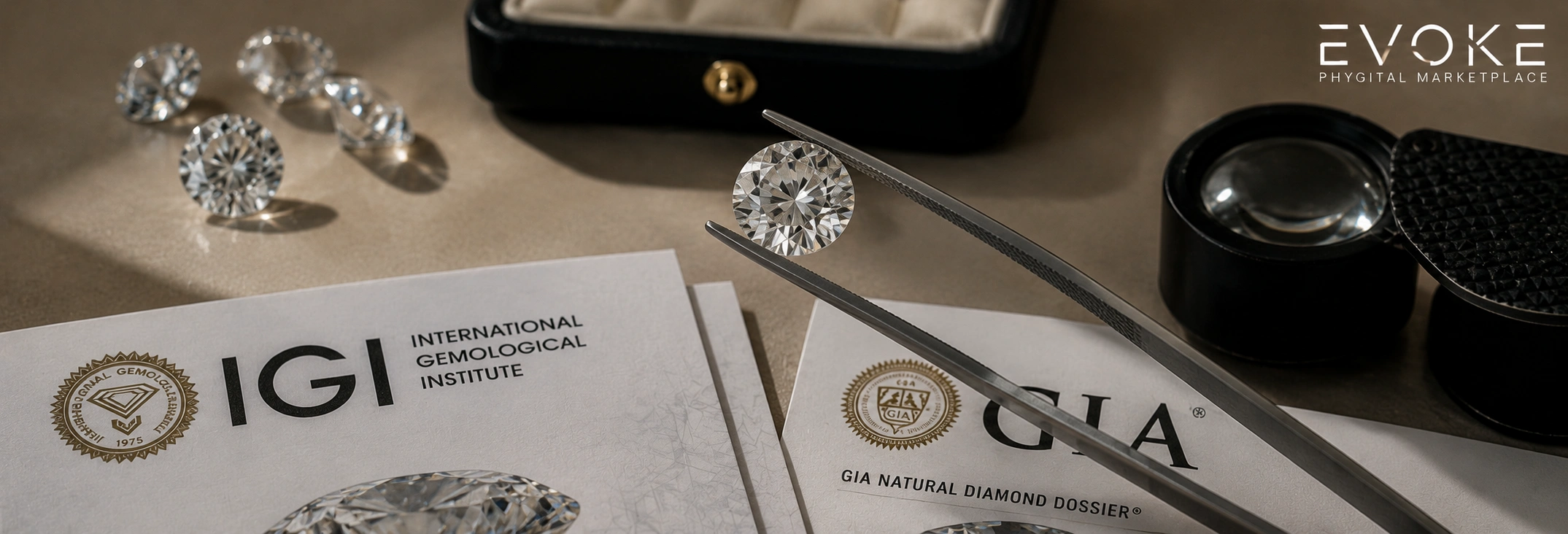
This is precisely the gap curated marketplaces are built to close. Evoke Marketplace pairs each seller with verified brand profiles and authenticated product listings, so buyers aren't asked to take a new creator's credibility on faith; the platform has already done that work.
Industry Trends Shaping Creator Commerce in 2026
Several shifts are reshaping how creators sell, not just where:
Community-driven commerce is replacing cold-traffic selling, as buyers increasingly purchase based on shared values and recommendation, not ads. We explored this shift in depth in community-driven commerce.
Curated, multi-brand discovery environments are growing faster than single-brand stores for premium and gift-driven categories.
Buyers are consolidating trust in fewer platforms rather than spreading purchases across many unfamiliar sites.
Authentication and provenance, knowing a product is genuinely what it claims to be, have become a baseline expectation, not a premium feature.
Standalone Store vs. Curated Marketplace: Key Differences
Factor | Standalone Store | Curated Marketplace |
Traffic | Creator must generate 100% | Platform brings existing buyer base |
Trust | Built from zero | Inherited from platform reputation |
Setup effort | High (design, hosting, payments) | Low (seller onboarding) |
Brand control | Full | Shared, within curated standards |
Best suited for | Established audiences | Emerging or premium-positioned brands |
Neither model is universally the best ecommerce platform choice; it depends on whether a creator already has an audience or needs the platform to help build one.
What to Evaluate Before Choosing a Platform
Before committing to any ecommerce platform comparison, creators should weigh:
Fee structure: commission-based vs. flat subscription, and what it includes
Audience access: does the platform actively bring buyers, or just host your listing?
Brand presentation: can you tell your story, or just list a price?
Trust and authentication support: does the platform verify sellers and products?
Category fit: Is the platform's existing buyer base aligned with your product type?
These factors, more than flashy features, are usually what separate the best ecommerce platform for a creator from one that simply looks good on the surface.
Luxury and Premium Commerce Implications for Creators
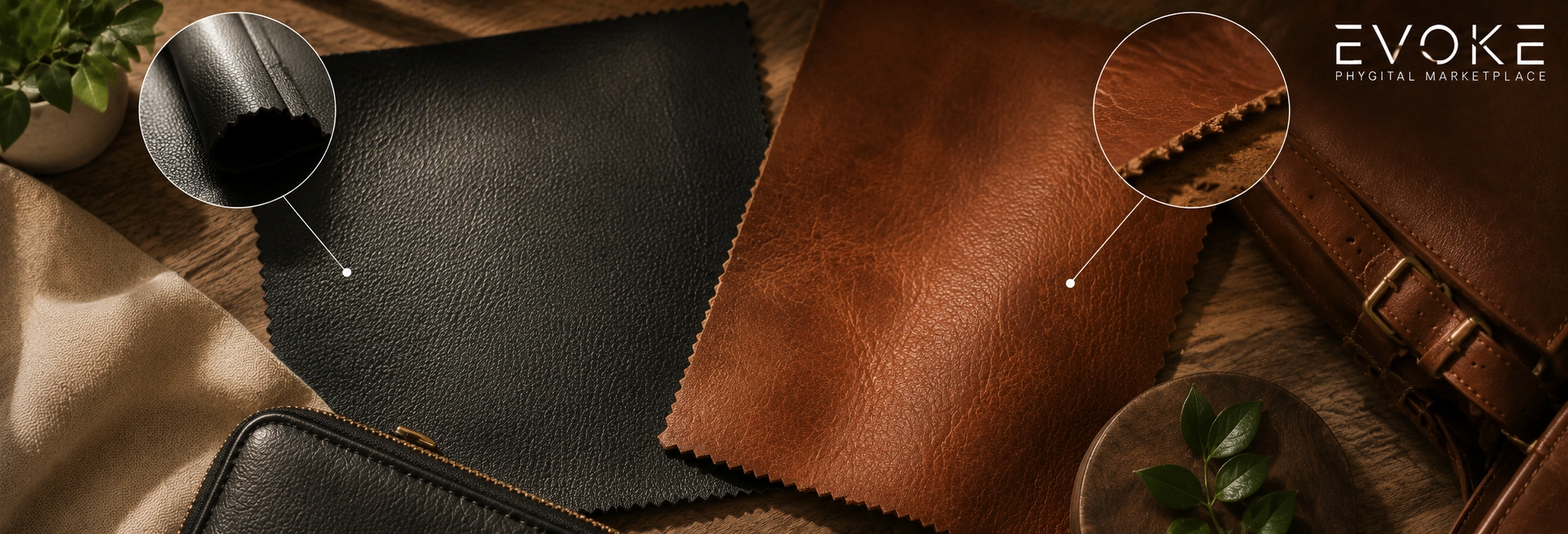
For creators building premium or gift-oriented product lines specifically, the stakes are higher. Affluent buyers researching a $500 candle or a hand-finished leather good behave differently from impulse shoppers; they look for provenance, craftsmanship detail, and social proof before purchasing.
How Evoke Marketplace Embraces Premium Creator Positioning
Rather than competing purely on price or volume, Evoke Marketplace is built around curated discovery; every listed brand sits alongside other vetted, premium sellers, which reinforces credibility for buyers browsing with a gifting or investment mindset rather than a bargain-hunting one.
Real-World Example: How Creator Brands Scale Through Curated Marketplaces
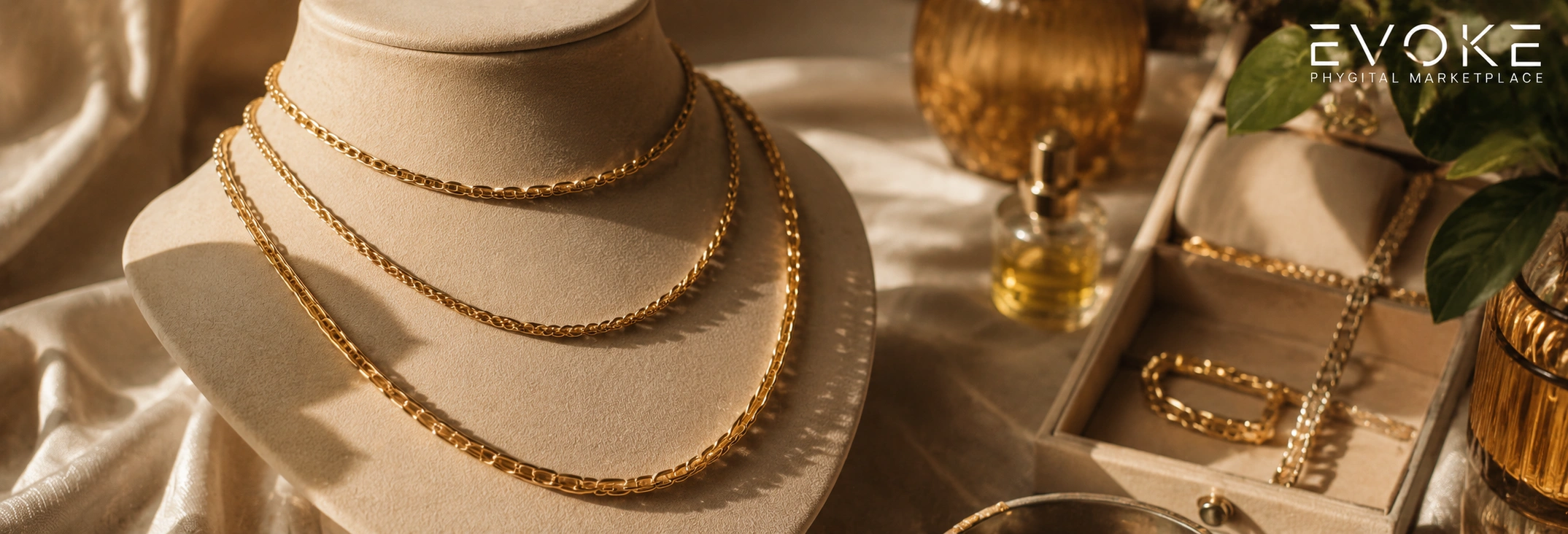
Consider a small jewelry maker with a loyal but modest social following. On a standalone store, growth is capped by how far its own marketing reach extends. Inside a curated creator business platform, that same brand is discoverable by buyers who've never heard of them but already trust the marketplace's curation standards, turning platform trust into brand trust, without years of audience-building first.
The Future of Creator-Led Commerce
The direction is clear: creators aren't just building products anymore; they're building trust infrastructure, or borrowing it from a platform that's already built it. As digital commerce matures, the best ecommerce platform for most creators will likely be measured less by features and more by how much trust it can lend to a new brand from day one.