
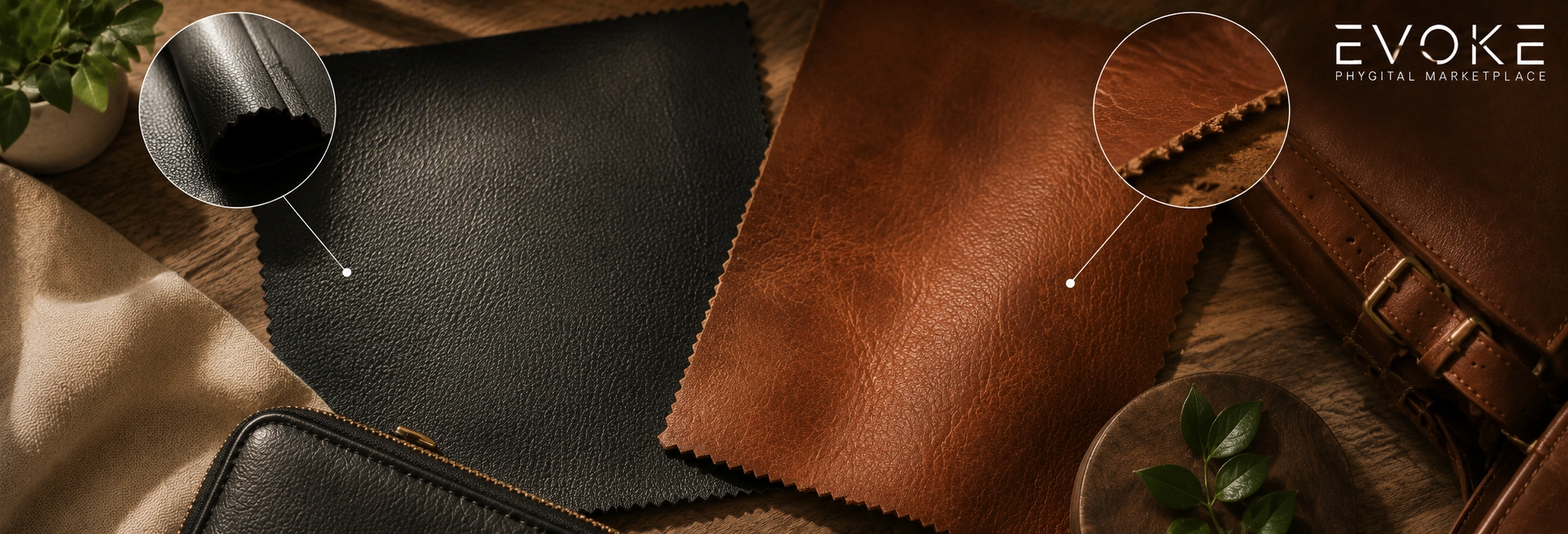
Walk into any conversation about sustainable fashion, and vegan leather usually gets treated as the automatic winner. No animal product, no cruelty, better for the planet, right? The reality is more complicated, and the answer depends heavily on what "vegan leather" is actually made of.
The vegan leather vs real leather debate isn't as simple as plant-based versus animal-based. Sustainability comes down to sourcing, durability, and what happens to the material at the end of its life, not just the label on the tag.
What Is Vegan Leather Actually Made Of?
Most vegan leather on the market today is polyurethane (PU) or PVC-based, essentially a plastic coating designed to mimic leather's texture. These materials are petroleum-derived, which means their production relies on fossil fuels and doesn't biodegrade at the end of their life.
Newer alternatives, cactus leather, mushroom-based mycelium, and apple-peel leather, are genuinely plant-based and far more biodegradable. But these still make up a small share of what's labeled "vegan leather" in mainstream leather footwear and accessories.
What Makes Genuine Leather Different?
Genuine leather is a byproduct of the meat industry, made from animal hide through a tanning process. Its environmental impact comes primarily from tanning chemicals and livestock farming, but unlike PU-based vegan leather, genuine leather is a natural material that biodegrades over time and typically lasts significantly longer with proper care.
This durability is part of what defines a well-made leather goods, the kind of craftsmanship we highlight in pieces like the Leather handbag, where quality tanning and construction are built to last for years, not seasons.
How Evoke Marketplace Supports Sustainable Material Transparency
Every leather item listed on Evoke Marketplace includes material sourcing details, so buyers comparing vegan leather vs real leather can make an informed decision rather than relying on marketing language alone.
Vegan Leather vs Real Leather: Key Differences at a Glance
Factor | Real Leather | Vegan Leather (PU/PVC) |
Source material | Animal hide | Petroleum-based plastic |
Biodegradability | Yes, over time | Lower, cracks/peels faster |
Durability | High, improves with age | Lower, cracks/peels faster |
Production impact | Tanning chemicals, livestock | Fossil fuel-based manufacturing |
Typical lifespan | 10–20+ years | 2–5 years |
Newer plant-based options | N/A | Cactus, mushroom, apple leather |
Which Is Actually More Sustainable? It Depends on This
The honest answer to which is more sustainable, leather or vegan leather, is: it depends on which vegan leather you mean. Petroleum-based vegan leather is often less sustainable than genuine leather once you account for its shorter lifespan and non-biodegradable waste. Plant-based vegan leather, however, can be genuinely lower-impact, but it's harder to find and typically costs more.
This is exactly why blanket assumptions about sustainable leather don't hold up well under scrutiny: the material category matters less than the specific type and quality within it.
Durability and Longevity: Why It Matters for Sustainability
A product's environmental footprint isn't just about how it's made; it's about how long it lasts. Genuine leather shoes and bags that last 15 years replace far fewer landfill-bound items than PU alternatives replaced every 2–3 years.
This is one of the most overlooked parts of the leather vs vegan leather conversation: a "greener" material that wears out five times faster can easily produce more total waste over its lifetime than genuine leather.
Buying Considerations: How to Choose Based on Your Priorities
Before deciding, weigh what matters most to you:
Longevity priority
Genuine leather typically outlasts PU-based vegan alternatives
Avoiding animal products entirely
Plant-based vegan leather (not PU/PVC) is the better fit
Budget-conscious, shorter-term use
PU vegan leather may be acceptable
Lowest overall environmental impact
Look specifically for cactus, mushroom, or apple leather, not generic "vegan leather"
Luxury Commerce Implications: Sustainable Materials in Premium Goods
In ethical fashion and luxury specifically, buyers are increasingly asking sourcing questions before purchasing, not just "is it leather," but "what kind, and from where." This shift mirrors broader gifting and collector behavior, where provenance and material transparency directly influence purchase confidence.
How Evoke Marketplace Embraces Ethical and Sustainable Sourcing
Rather than using "vegan" or "genuine" as a blanket marketing term, Evoke Marketplace works with brands that disclose specific material sourcing, helping buyers align purchases with their actual sustainability priorities.
The Future of Sustainable Leather Alternatives
Expect continued growth in bio-based leather alternatives as manufacturing scales and costs come down, alongside improved, lower-impact tanning processes for genuine leather. The leather buying guide conversation five years from now will likely focus less on "leather vs vegan" and more on which specific material and process is genuinely lowest-impact.