


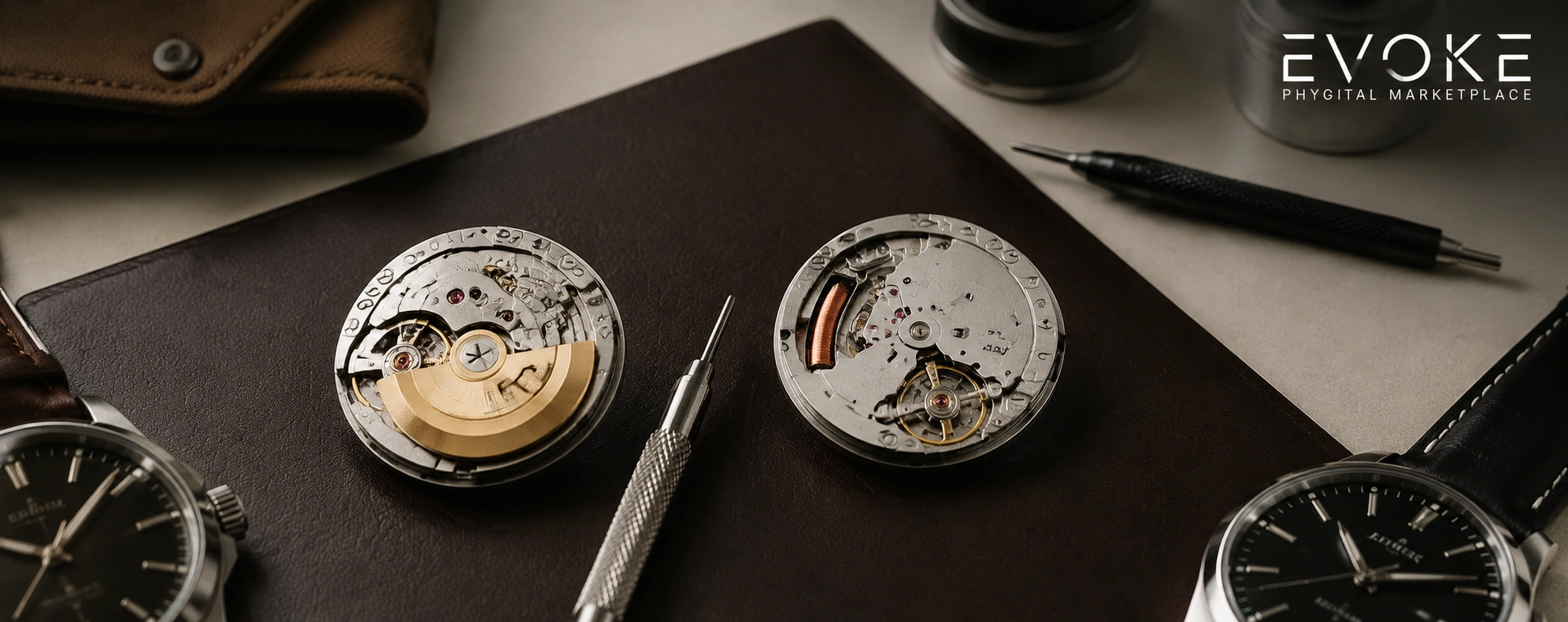
Choosing a luxury watch involves more than selecting a design or brand. One of the most important decisions lies beneath the dial: the watch movement. For decades, the debate around Swiss vs Japanese watch movements has shaped the preferences of collectors, professionals, and first-time buyers alike.
While Swiss watchmaking is associated with heritage, prestige, and craftsmanship, Japanese watchmaking is celebrated for innovation, reliability, and exceptional value. As consumers become more educated about watch mechanics, the focus is shifting from brand recognition alone to the quality and performance of the movement itself.
Understanding the difference between a Swiss watch movement and a Japanese watch movement can help you make a more informed investment, whether you're purchasing your first luxury timepiece or expanding an existing collection.
What Is a Watch Movement?
A watch movement is the mechanism that powers a watch and keeps time. Often referred to as the "heart" of a watch, the movement controls how the hands move and how additional functions operate.
The three most common watch movement types include:
Mechanical movement
Automatic movement
Quartz movement
Both Swiss and Japanese manufacturers produce these movement types, but their approach to engineering, craftsmanship, and production differs significantly.
Understanding Swiss Watch Movements
Swiss watchmaking has been synonymous with luxury and precision for centuries. Many of the world's most respected luxury watch brands rely on Swiss-made movements because of their reputation for craftsmanship and meticulous attention to detail.
What Makes Swiss Movements Special?
Swiss movements are known for:
Traditional watchmaking heritage
Hand-finished components
Exceptional craftsmanship
Strong collector appeal
Luxury positioning
Many Swiss-made watches are assembled using rigorous standards, contributing to their reputation for quality and exclusivity.
Advantages of Swiss Watch Movements
Prestige and Heritage
Owning a Swiss watch often carries a sense of tradition and status that appeals to luxury buyers.
Excellent Craftsmanship
Swiss manufacturers are renowned for intricate finishing techniques and mechanical excellence.
Strong Resale Value
Premium Swiss watches generally retain value better due to strong demand among collectors.
Potential Drawbacks
Higher purchase price
More expensive servicing
Maintenance may require specialized expertise
Understanding Japanese Watch Movements
Japanese watchmaking gained global recognition through technological innovation and precision manufacturing. Today, Japanese movements power millions of watches worldwide and are respected for their reliability and efficiency.
Why Japanese Movements Are Popular
Japanese manufacturers focus heavily on:
Precision engineering
Technological innovation
Cost efficiency
Reliability
Practical performance
This approach has helped Japanese watches become a favorite among both enthusiasts and everyday wearers.
Advantages of Japanese Watch Movements
Outstanding Accuracy
Japanese quartz movements are among the most accurate timekeeping systems available.
Excellent Value
Buyers often receive exceptional performance at a more accessible price point.
Lower Maintenance Costs
Japanese movements are generally easier and less expensive to maintain.
Potential Drawbacks
Less prestige in luxury segments
Lower collector value in some cases
Less emphasis on decorative finishing
Swiss vs Japanese Watch Movement Comparison
The right choice depends on your priorities. Here's a practical comparison:
Feature | Swiss Watch Movement | Japanese Watch Movement |
Heritage | Excellent | Strong |
Craftsmanship | Exceptional | Very Good |
Accuracy | Excellent | Excellent |
Innovation | High | Very High |
Maintenance Cost | Higher | Lower |
Collector Appeal | Strong | Moderate |
Value for Money | Good | Excellent |
Resale Potential | Higher | Moderate |
Which Is More Accurate?
For quartz watches, Japanese movements often have a slight advantage due to their reputation for precision engineering.
For mechanical and automatic watches, both Swiss and Japanese manufacturers produce highly accurate movements, although Swiss brands often emphasize craftsmanship alongside performance.
Consumer Psychology: Why Buyers Choose Different Movements
Watch purchases are often emotional as well as practical.
Why Buyers Choose Swiss Watches
Many luxury consumers are attracted to:
Heritage
Exclusivity
Craftsmanship
Status
Collectibility
A Swiss movement often represents a long-standing tradition of luxury watchmaking.
Why Buyers Choose Japanese Watches
Japanese movements appeal to buyers who prioritize:
Reliability
Everyday practicality
Accuracy
Affordability
Innovation
These buyers often focus more on performance than prestige.
Which Watch Movement Is Best for Everyday Wear?
There is no universal answer because every buyer has different needs.
Best for Professionals
Japanese automatic and quartz movements are excellent for daily wear due to their durability and low maintenance requirements.
Best for Collectors
Swiss mechanical movements are often preferred because of their craftsmanship and historical significance.
Best for First-Time Luxury Buyers
Japanese movements offer exceptional value while providing a high-quality ownership experience.
Best for Luxury Enthusiasts
Swiss-made watches continue to dominate among buyers seeking prestige and traditional craftsmanship.
Watch Trends Influencing Movement Preferences
The modern luxury watch market is evolving rapidly. Consumers are becoming more informed and are increasingly interested in understanding movement quality before making a purchase.
Recent Watch Trends 2026 suggest growing demand for:
Mechanical craftsmanship
Independent watch brands
Long-term collectibility
Authentic ownership experiences
These trends are encouraging buyers to look beyond branding and focus on the engineering inside the watch.
Luxury Commerce and Modern Watch Buying
Today's luxury consumers expect transparency, authenticity, and expert guidance when purchasing premium timepieces.
Rather than choosing solely based on marketing, buyers increasingly research movement specifications, craftsmanship, and long-term ownership value.
For example, premium watches such as Sonatina showcase how design, craftsmanship, and movement quality work together to create a meaningful ownership experience.
At Evoke Marketplace, this growing emphasis on informed purchasing aligns with a curated approach that helps consumers discover authentic luxury products with confidence.
The Future of Swiss and Japanese Watch Movements
The future of watchmaking is likely to see both Swiss and Japanese manufacturers continue to innovate while preserving their unique strengths.
Swiss watchmakers will likely maintain their leadership in luxury craftsmanship and collector-focused mechanical movements.
Meanwhile, Japanese manufacturers are expected to continue advancing precision engineering, efficiency, and technological innovation.
Rather than competing directly, these two traditions increasingly serve different consumer preferences, giving buyers more options than ever before.
Conclusion
The debate between Swiss vs Japanese watch movement is not about which one is objectively better, it's about which one better fits your lifestyle, budget, and personal preferences.
Swiss movements offer heritage, prestige, craftsmanship, and strong collectibility. Japanese movements deliver exceptional reliability, innovation, accuracy, and value.
For modern buyers, understanding these differences leads to smarter purchasing decisions and a more satisfying ownership experience. Whether you're seeking a collector-worthy luxury timepiece or a dependable everyday watch, Evoke Marketplace helps connect discerning shoppers with authentic premium products that match their needs.